


Vertigo is often dismissed as a brief spell of dizziness,an uncomfortable but temporary sensation that people assume will pass with rest. For millions of patients around the world, however, vertigo is far more disruptive than a fleeting inconvenience. Sudden spinning sensations, loss of balance, and the persistent fear of falling can turn ordinary daily activities into daunting challenges. Simple movements such as getting out of bed, bending down, or turning the head can trigger intense dizziness that affects both confidence and independence.
Behind many of these episodes lies Benign Paroxysmal Positional Vertigo (BPPV), one of the most common vestibular disorders affecting the inner ear. The condition occurs when tiny calcium carbonate crystals, normally located in one part of the inner ear, become displaced and move into the semicircular canals.
Recognizing this gap in the healthcare system, SYG MED set out to rethink how vertigo could be diagnosed and treated. Founded in 2018 and headquartered in Istanbul, Türkiye, the healthcare technology company focuses on improving vertigo diagnosis and treatment by combining clinical expertise with engineering innovation to develop solutions that enable faster, more accurate care and better patient outcomes.
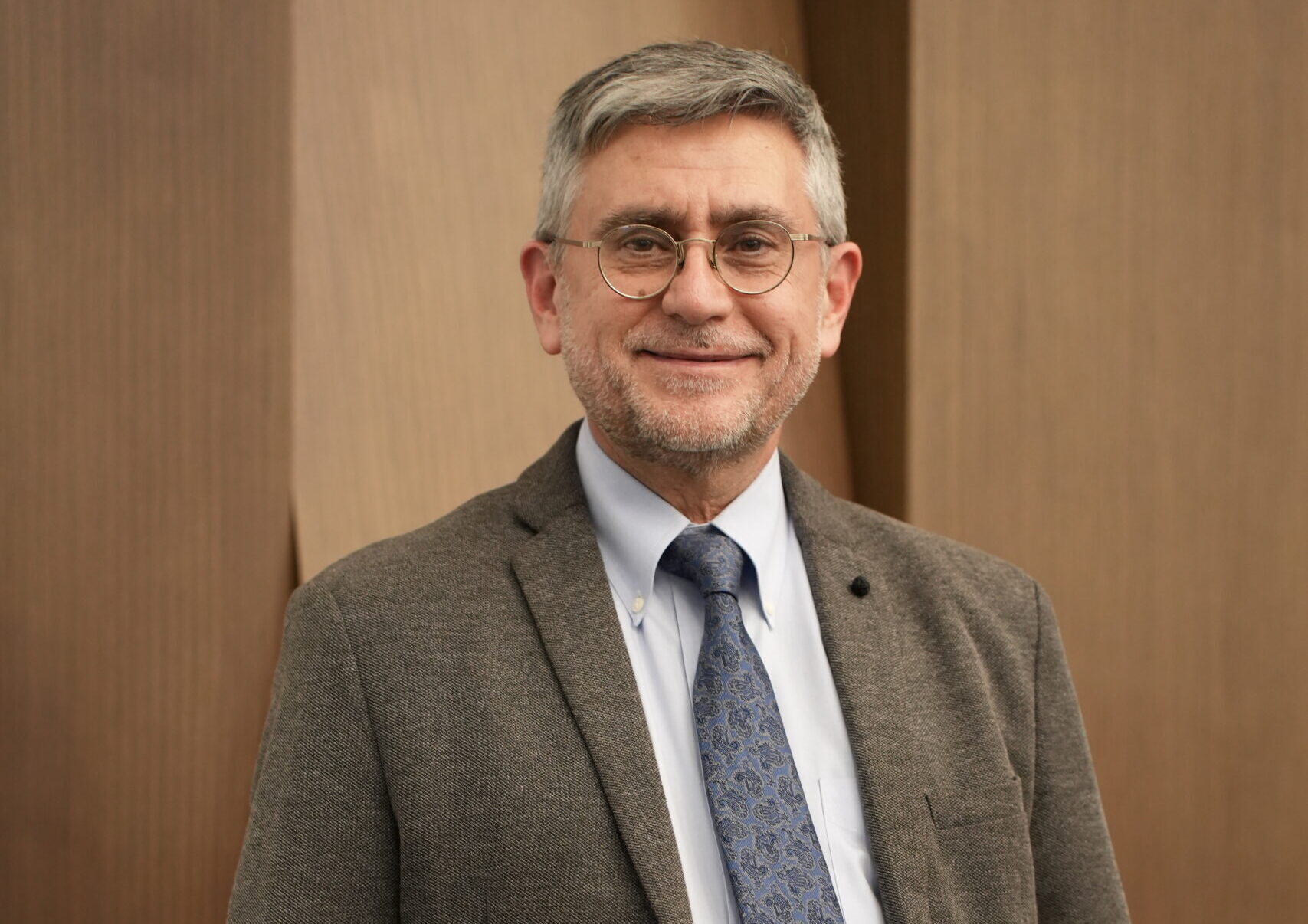
The company is led by Chief Executive Officer Prof. Dr. Tarik Ozkul, Chief Medical Officer Prof. Dr. M. Haluk Ozkul, and Chief Operating Officer Burhan Ozmen, whose combined expertise brings together medicine, technology, and healthcare operations to drive the company’s multidisciplinary approach to innovation.
The Widespread Challenge of Vertigo
Despite being widely treatable, BPPV remains one of the most frequently misdiagnosed vestibular conditions in healthcare systems worldwide.
Research indicates that approximately four percent of the global population will experience BPPV during their lifetime. Every year, around 1.4 percent of individuals seek medical attention in emergency departments due to sudden vertigo attacks.
Yet even with its prevalence, the condition is often misunderstood or mistaken for other neurological or cardiovascular disorders. Studies suggest that BPPV is misdiagnosed in emergency departments in roughly 74 to 81 percent of cases. These diagnostic challenges often lead patients into a prolonged cycle of consultations and tests before receiving the correct treatment.
On average, individuals suffering from BPPV visit hospitals seven times before obtaining an accurate diagnosis. In some cases, the journey toward effective treatment can extend up to seventy months. During this time, patients may experience recurring episodes that disrupt work, social activities, and overall quality of life.
The consequences of untreated vertigo extend beyond discomfort. Persistent dizziness significantly increases the risk of falls, particularly among older adults. Medical data indicates that one in five fractures caused by falls related to BPPV among elderly patients can ultimately prove fatal.
The Complexity of Treating BPPV
While BPPV can often be resolved through treatment, the therapy itself requires careful execution. The standard treatment involves a series of repositioning maneuvers,controlled movements of the patient’s head and body that guide the displaced crystals back to their original location within the inner ear.
When performed correctly, these maneuvers can provide immediate relief. However, the vestibular system of the inner ear is highly complex, consisting of multiple semicircular canals arranged in a three-dimensional orientation. Even small variations in the angle or timing of head movements can influence whether the maneuver succeeds.
In busy clinical environments, physicians may find it difficult to perform these movements manually with consistent precision. Factors such as patient anatomy, physical limitations, or clinician fatigue can affect the outcome.
Recognizing these challenges, SYG MED sought to develop a system that would bring greater consistency and accuracy to the treatment process.
The Robotic Maneuvering System
SYG MED’s response to this challenge is the Robotic Maneuvering System (RMS), an advanced medical device designed specifically for the diagnosis and treatment of BPPV.
At the center of the system is a robotic treatment chair capable of moving the patient’s head and body with carefully controlled precision. During the procedure, patients are securely positioned with a medical harness that ensures stability while allowing the chair to rotate and tilt through the exact angles required for treatment.
At the same time, physicians observe the patient’s eye movements using specialized diagnostic goggles that detect nystagmus, an involuntary eye movement commonly associated with vestibular disorders. Monitoring these eye movements provides valuable diagnostic information that helps clinicians determine which semicircular canal in the inner ear is affected.
The RMS system contains an extensive digital library of treatment maneuvers embedded within its software. This includes eleven classical maneuvers commonly used in traditional vertigo therapy, along with twenty-two additional variant maneuvers developed to address complex or atypical cases.
Each maneuver involves a series of carefully sequenced steps. Once the physician selects the appropriate maneuver, the robotic system executes the movements automatically with precise control of speed, angle, and timing. This ensures consistent performance while significantly reducing the risk of human error.
According to SYG MED’s clinical data, the system has demonstrated a treatment success rate of approximately 96.7 percent. In many cases, diagnosis and treatment can be completed within about twenty minutes.
Enhancing Diagnostic Accuracy
Accurate diagnosis is one of the most critical elements in treating vertigo effectively. Determining exactly where the displaced crystals are located within the inner ear allows physicians to select the correct treatment maneuver.
To support clinicians in this process, SYG MED has developed a patented diagnostic approach that works alongside the RMS system. By analyzing eye movement patterns and patient responses during examination, physicians can identify the affected canal more quickly and apply the most appropriate maneuver.
Looking ahead, the company is also exploring the integration of artificial intelligence–based diagnostic decision support into its platform. Although regulatory pathways for AI-based medical technologies remain complex, SYG MED believes intelligent systems could further assist physicians in selecting optimal treatment strategies.
Building Specialized Vertigo Treatment Centers
SYG MED’s vision extends beyond technology development. The company has also created a healthcare delivery model designed to make specialized vertigo treatment more widely accessible.
This model centers on the establishment of Vertigo Treatment Centers in partnership with hospitals and medical institutions. These dedicated centers are equipped with the robotic maneuvering system and supported through physician training programs and clinical collaboration. To facilitate adoption, SYG MED employs a revenue-sharing model that allows hospitals to introduce advanced vertigo treatment capabilities without large upfront investments. This approach lowers financial barriers while enabling healthcare providers to expand their services.
Through this model, patients can access specialized vertigo care in facilities designed specifically for accurate diagnosis and efficient treatment.
Innovation Through Multidisciplinary Expertise
A defining characteristic of SYG MED is the multidisciplinary expertise behind its innovations. Prof. Dr. Tarik Ozkul, the company’s CEO, is an accomplished engineer and inventor who holds more than sixty patents across various technological fields. His experience in advanced technology development has played a key role in shaping the company’s approach to medical innovation.
Working alongside him, Chief Medical Officer Prof. Dr. M. Haluk Ozkul contributes extensive clinical experience in diagnosing and treating vestibular disorders. Chief Operating Officer Burhan Ozmen oversees operational strategy and the implementation of the company’s healthcare delivery model.
Transforming Patient Outcomes
The real measure of SYG MED’s impact lies in the experiences of patients whose lives have been changed through effective treatment.
During clinical trials, physicians encountered a patient who had visited hospitals fourteen times because of recurring vertigo attacks without receiving effective care. Using the RMS system, clinicians quickly identified the underlying condition and performed the appropriate maneuver. The patient’s symptoms were resolved in a single thirty-minute session.
In another case, a seventy-year-old woman had lived with vertigo for three and a half years. The condition made everyday activities difficult and even prevented her from performing her regular prayers. After receiving treatment with the robotic maneuvering system, her symptoms disappeared during the same session, bringing relief that had eluded her for years.
Another patient, Mr. Kale Hayder, had endured recurring vertigo episodes for more than fifteen years. After undergoing treatment with the RMS system, his condition was successfully resolved in a single session, illustrating the potential of precise diagnosis and treatment.
Recognition and Global Expansion
The company has received numerous awards, including the ISIF Patent Award in 2019, the DoctorsClub Award for Most Innovative Product of the Year in 2021, and the TET ARGE Smart Medicine Award in 2022. That same year, its innovation was also recognized among the Top 100 Innovations in the Create the Future Award.
In 2023, SYG MED received first place in the Sustainability Award’s Social Impact category, followed by the BIGG SPORT Award in 2024.
The company collaborates with prominent healthcare institutions such as the MedicalPark Hospital Chain and Haseki Hospital and continues to expand its global reach. Through its digital platforms, sygtech.org and sygmedical.com, SYG MED connects with physicians, hospitals, and research institutions interested in advancing vertigo care.
Looking Ahead
SYG MED believes that the future of vertigo care lies in earlier diagnosis, faster treatment, and wider access to specialized care.
One of the company’s long-term goals is to introduce robotic maneuvering systems into emergency departments, where many patients first seek medical help during severe vertigo attacks. By equipping emergency physicians with advanced diagnostic tools and treatment technology, the company hopes to significantly reduce misdiagnosis rates and shorten the time it takes for patients to receive effective treatment.
For SYG MED, the mission extends beyond technological innovation. Vertigo can disrupt a person’s independence, confidence, and quality of life. By combining robotics, medical expertise, and a scalable healthcare model, the company aims to restore stability both physically and emotionally to patients around the world.
